The Theology of PRs: Why the Number Doesn't Satisfy
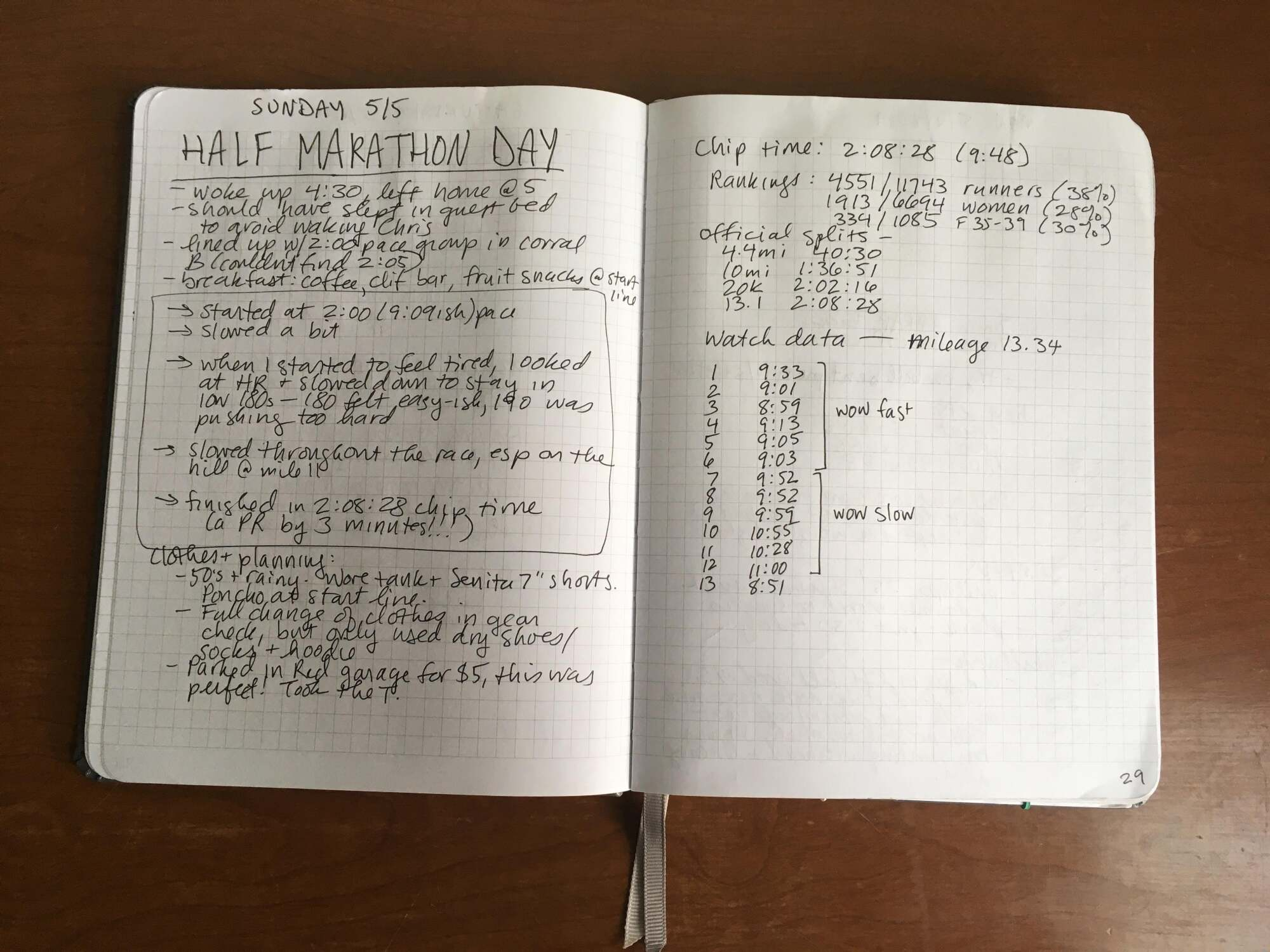
When’s the last time you hit a PR, either on the road, in the gym, in the pool, or at the track?
I remember finally hitting my 2 biggest goals:
A 3 plate squat (315 lbs; come on, I’m 5’8” and I weigh about 175 lbs, so 3 plates was a HUGE achievement);
A 45 minute 10k race.
What it took to get to those numbers was nothing short of exhausting. I’d been chasing both of them for about a year. Programming my training around it. Obsessing over nutrition and data.
And then, when I re-racked the bar and when I crossed that finish line, I felt…nothing. Because I had made that number the WHOLE thing. It was more important than the process.
And those numbers didn’t care about me.
King Solomon knew something about chasing achievements.
He had it all. More wealth than anyone in history. Built palaces. Accumulated success in every category. Denied himself nothing.
And here's what he said about it:
"I denied myself nothing my eyes desired; I refused my heart no pleasure. My heart took delight in all my labor, and this was the reward for all my toil. Yet when I surveyed all that my hands had done and what I had toiled to achieve, everything was meaningless, a chasing after the wind; nothing was gained under the sun." (Ecclesiastes 2:10-11 NIV)
Read that again. Everything was meaningless. Dust. Smoke. Meaningless vapor.
Solomon had every "PR" you can imagine. And he called it chasing after the wind.
Not because achievement is bad. But because when you chase the outcome instead of the process, when you make the number the whole thing, it will never satisfy you.
The PR doesn't care about you. And it was never supposed to.
PR’s are just signposts, not destinations.
PRs are tell you where you are right now. They’re simple data points. Numbers. A mile marker.
But they’re NOT the destination. They destination is becoming the kind of person who can sustain that level of performance over time.
You hit a 315-pound squat. Great. Can you do it again next month without destroying your body?
You run a 45-minute 10K. Awesome. But did you develop habits you can maintain, or did you grind yourself into the ground?
The question isn't "Did I hit the number?"
The question is "What kind of person did I become on the way to the number?"
Because PRs come and go. Injuries happen. Age happens. You can't PR forever.
But the practices that got you there? The discipline, the patience, the humility to rest when needed? Those last.
The number just marks a moment. The practices build a life.
We do this in our spiritual lives, too.
We chase the outcome (feeling close to God, being transformed, being "on fire") and skip the practices (prayer, scripture, community, rest).
We want the spiritual "PR" without the daily discipline.
"I prayed for 2 hours today." "I read the Bible in 30 days." "I fasted for a week."
These aren't bad. But when they become the point—when you're chasing the spiritual high, the impressive testimony—you've missed it.
The practices matter more than the moments.
Prayer isn't about hitting a quota. It's about becoming someone who talks to God naturally.
Bible reading isn't about finishing a plan. It's about becoming someone whose mind is shaped by scripture over decades.
The goal isn't a spiritual PR. The goal is sustained formation over a lifetime.
Formation happens in the unseen, unglamorous, day-after-day faithfulness. Not in the PR moment. In the practices.
It’s okay to celebrate progress. Just don’t worship it.
PRs aren't bad. Celebrating progress is biblical. God celebrates growth.
But there's a difference between celebrating a signpost and worshiping it.
Celebrate: "I hit my goal! The training worked. I'm grateful. God is good."
Worship: "I hit my goal. Now I'm finally enough. Now I have worth."
The first glorifies God. The second makes you God.
When you hit a PR, ask yourself:
What practices led to this?
Can I sustain those practices?
Did I sacrifice anything important?
Am I more dependent on God or more confident in myself?
If the PR made you more humble and grateful—celebrate it.
If it made you more arrogant and obsessed with the next one—you've got an idol problem.
The number isn't the enemy. The worship of the number is.
This week, I want you to redefine success.
Write down your current definition of success in training. Is it a number? A weight? A time? A split?
Now rewrite it as a practice:
Instead of: "Success = hit a 5-minute mile" Try: "Success = train consistently for 12 weeks without injury"
Instead of: "Success = lose 30 pounds" Try: "Success = develop eating habits I can maintain for life"
Instead of: "Success = 405-pound deadlift" Try: "Success = build strength progressively while honoring rest days"
See the shift?
One is a destination you'll hit once and then obsess over the next number.
The other is a sustainable practice that builds you into the kind of person who can maintain long-term health, strength, and growth.
Maybe you can't run, but you can walk. Maybe you can't squat heavy, but you can do mobility work. Maybe you can't compete, but you can coach someone else.
What if success wasn't about the number at all?
What if it was about becoming someone who shows up consistently, trains wisely, rests intentionally, and worships God instead of the PR?
Try it for one month. Define success by the practices, not the outcomes. See what happens.
Here's the truth: your PR will fade.
Injury will come. Age will slow you down. You can't lift or run or perform at peak forever.
But the person you're becoming? That lasts.
God doesn't care about your 5K time. He doesn't care if you squat 315 or 415 or 515.
He cares about who you're becoming in the process.
The number doesn't make you righteous. The practices do.
So train hard. Celebrate progress. Hit your PRs and thank God for them.
But don't worship the number. Worship the God who gave you a body to steward, the discipline to show up, and the grace to keep going when the number doesn't come.
Formation over performance. Always.